

Floral Unisex
The shared flower is one of the most beautiful achievements of artistic perfumery. Mineral iris, osmanthus between apricot and leather, white flowers dried by the wind, green magnolias: the niche has liberated the floral from its gendered fate and turned it into a language for all, where the flower is material to sculpt and not decoration.
How to choose a unisex floral
The most naturally shared territories are four. The iris, powdery and radical, is the quintessential non-flower flower: cold, elegant, almost architectural. The osmanthus oscillates between fruit and skin, with an ambiguous charm that belongs to no wardrobe. The white flowers with a green twist — stripped jasmine, mentholated tuberose — remove all sweetness from the bouquet. The dark roses, finally, on oud or patchouli, are now a classic of genderless perfumery.
The advice: look for the floral where the flower dialogues with a dry material — wood, incense, moss. It is that counterpoint that makes it universal.
Frequently Asked Questions
Can a flower really be unisex?
Flowers have no gender in nature; they have it in marketing. Artistic perfumery composes the flower for its character — mineral, green, spicy — and leaves the final word to the wearer.
What is the easiest shared floral to start with?
A medium intensity iris or osmanthus: both elegant, discreet, and immediately distant from commercial feminine florals.
Seasonality?
Spring and autumn are the preferred territories, but a powdery iris in winter or a green magnolia in summer work perfectly.
54 products
-
By kilian Liaisons Dangereuses typical me Unisex 100 ml — Eau de Parfum
 Seller:By kilian Liaisons Dangereuses typical me Unisex 100 ml — Eau de ParfumBy kilian
- Regular price
-
€615,83 - Regular price
-
€738,99 - Sale price
-
€615,83
-
By kilian Voulez-vous coucher avec Moi Unisex 100 ml — Eau de Parfum
 Seller:By kilian Voulez-vous coucher avec Moi Unisex 100 ml — Eau de ParfumBy kilian
- Regular price
-
€615,83 - Regular price
-
€738,99 - Sale price
-
€615,83
-
By kilian Roses on Ice Unisex 100 ml — Eau de Parfum
 Seller:By kilian Roses on Ice Unisex 100 ml — Eau de ParfumBy kilian
- Regular price
-
€547,40 - Regular price
-
€656,88 - Sale price
-
€547,40
-
By kilian Love, don't be shy Unisex 100 ml — Eau de Parfum
 Seller:By kilian Love, don't be shy Unisex 100 ml — Eau de ParfumBy kilian
- Regular price
-
€615,83 - Regular price
-
€738,99 - Sale price
-
€615,83
-
The Different Company Une Nuit Magnetique Eau de Parfum 100 ml — Perfume
 Seller:The Different Company Une Nuit Magnetique Eau de Parfum 100 ml — PerfumeThe different company
- Regular price
-
€312,80 - Regular price
-
€375,36 - Sale price
-
€312,80
-
Ortigia Florio Liquid Soap 500 ml Refillable — Refill
 Seller:Ortigia Florio Liquid Soap 500 ml Refillable — RefillOrtigia
- Regular price
-
€105,57 - Regular price
-
€126,68 - Sale price
-
€105,57
-
Ortigia Florio Liquid Soap 1000 ml Refill — Refill
 Seller:Ortigia Florio Liquid Soap 1000 ml Refill — RefillOrtigia
- Regular price
-
€97,75 - Regular price
-
€117,30 - Sale price
-
€97,75
-
Irene Forte Maschera Tetra-Acid Lavender Refill 50 ml — Maschera Face
 Seller:Irene Forte Maschera Tetra-Acid Lavender Refill 50 ml — Maschera FaceIrene forte
- Regular price
-
€174,00 - Regular price
-
€208,79 - Sale price
-
€174,00 - Unit price
-
€3.480,00 for l
-
Diptyque Ombre dans l'Eau Unisex 2x3 g — Solid Perfume Refill
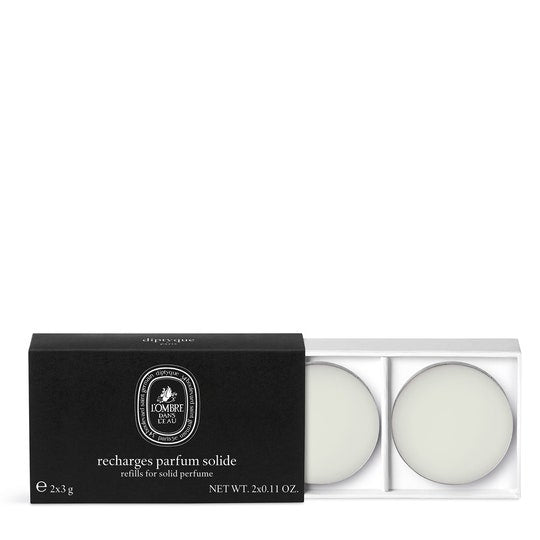 Seller:Diptyque Ombre dans l'Eau Unisex 2x3 g — Solid Perfume RefillDiptyque
- Regular price
-
€60,11 - Regular price
-
€72,13 - Sale price
-
€60,11
-
Diptyque Eau Rose Unisex 2x3 g — Solid Perfume Refill
 Seller:Diptyque Eau Rose Unisex 2x3 g — Solid Perfume RefillDiptyque
- Regular price
-
€87,98 - Regular price
-
€105,57 - Sale price
-
€87,98 - Unit price
-
€14.663,33 for kg
-
Diptyque Do Son 2x3 g — Solid Perfume Refill
 Seller:Diptyque Do Son 2x3 g — Solid Perfume RefillDiptyque
- Regular price
-
€87,98 - Regular price
-
€105,57 - Sale price
-
€87,98 - Unit price
-
€14.663,33 for kg
-
Bienaime La Vie en Fleurs 100 ml — Eau de Parfum
 Seller:Bienaime La Vie en Fleurs 100 ml — Eau de ParfumBienaime
- Regular price
-
€234,60 - Regular price
-
€281,52 - Sale price
-
€234,60
-
Ormaie Tableau Parisien 20 ml Travel Spray Refill
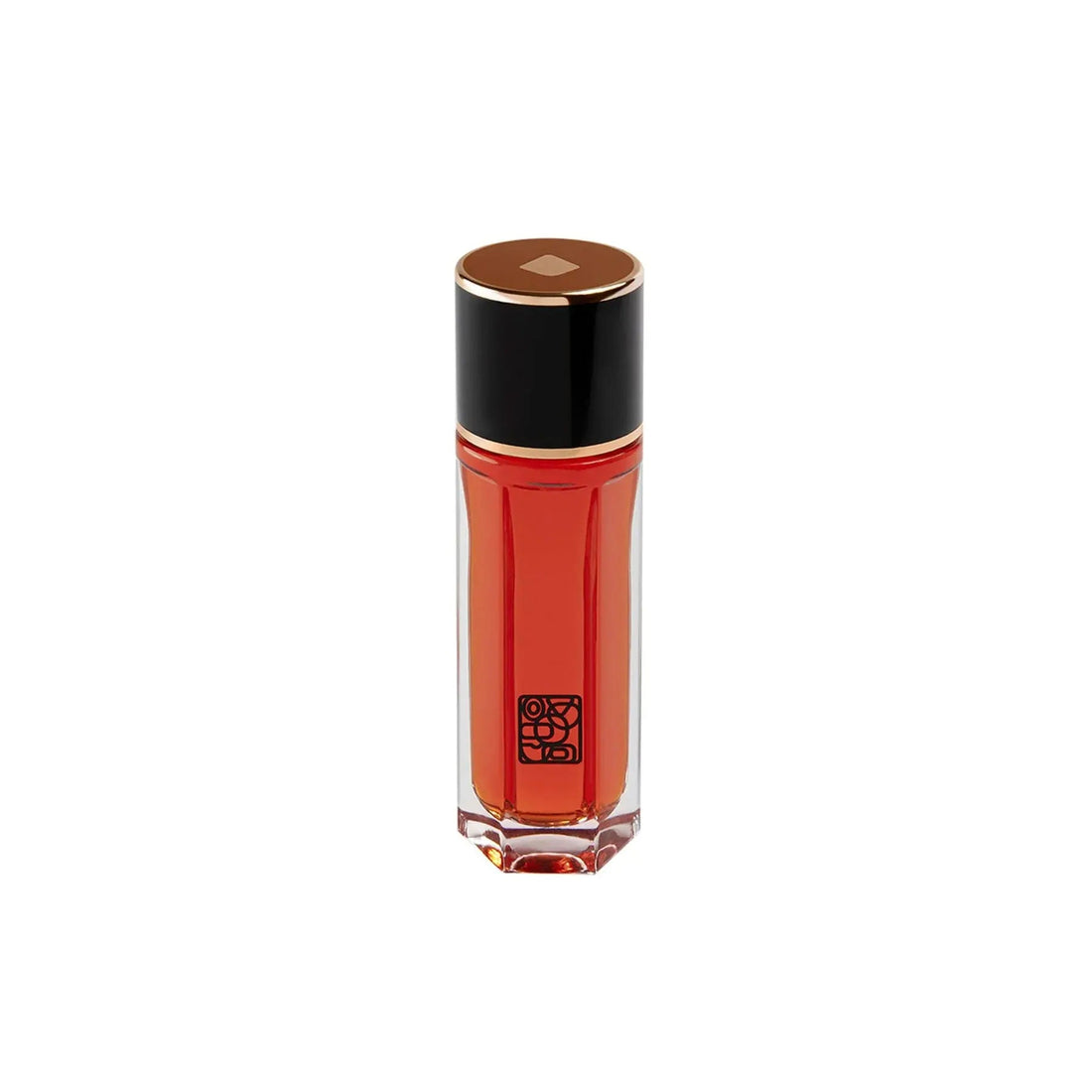 Seller:Ormaie Tableau Parisien 20 ml Travel Spray RefillOrmaie
- Regular price
-
€165,60 - Regular price
-
€198,72 - Sale price
-
€165,60
-
Laboratorio Olfattivo Petali di Tiarè 500 ml Refill
 Seller:Laboratorio Olfattivo Petali di Tiarè 500 ml RefillLaboratorio olfattivo
- Regular price
-
€90,16 - Regular price
-
€108,19 - Sale price
-
€90,16
-
Laboratorio olfattivo Biancothe Refill 500 ml — Diffuser Refill
 Seller:Laboratorio olfattivo Biancothe Refill 500 ml — Diffuser RefillLaboratorio olfattivo
- Regular price
-
€95,68 - Regular price
-
€114,82 - Sale price
-
€95,68
-
By Kilian Woman in Gold Unisex 50 ml — Eau de Parfum
 Seller:By Kilian Woman in Gold Unisex 50 ml — Eau de ParfumBy kilian
- Regular price
-
€381,23 - Regular price
-
€457,47 - Sale price
-
€381,23
-
By Kilian Rolling in Love Unisex 50 ml — Eau de Parfum
 Seller:By Kilian Rolling in Love Unisex 50 ml — Eau de ParfumBy kilian
- Regular price
-
€358,80 - Regular price
-
€430,56 - Sale price
-
€358,80
-
By Kilian CAN'T STOP LOVING YOU Unisex 100 ml — Eau de Parfum
 Seller:By Kilian CAN'T STOP LOVING YOU Unisex 100 ml — Eau de ParfumBy kilian
- Regular price
-
€274,28 - Regular price
-
€329,13 - Sale price
-
€274,28
-
By Kilian Liaisons Dangereuses Women 50 ml — Eau de Parfum
 Seller:By Kilian Liaisons Dangereuses Women 50 ml — Eau de ParfumBy kilian
- Regular price
-
€588,80 - Regular price
-
€706,56 - Sale price
-
€588,80
-
By Kilian Love Don't be Shy Unisex 100 ml — Eau de Parfum
 Seller:By Kilian Love Don't be Shy Unisex 100 ml — Eau de ParfumBy kilian
- Regular price
-
€588,80 - Regular price
-
€706,56 - Sale price
-
€588,80
-
The Different Company Kashan Rose 100 ml Refill — Eau de Toilette
 Seller:The Different Company Kashan Rose 100 ml Refill — Eau de ToiletteThe different company
- Regular price
-
€191,59 - Regular price
-
€229,91 - Sale price
-
€191,59
-
Essential Parfums Rose Magnetic 150 ml Unisex — Eau de Parfum
 Seller:Essential Parfums Rose Magnetic 150 ml Unisex — Eau de ParfumEssential parfums
- Regular price
-
€128,80 - Regular price
-
€154,56 - Sale price
-
€128,80


